27 August 2026 · Shaun O'Neill
How Do You Influence a Team When You're Not the One in Charge?
"I think that's what your role is is just to um bring up things that may help in this situation and and it's up to them whether they take it on board or not"
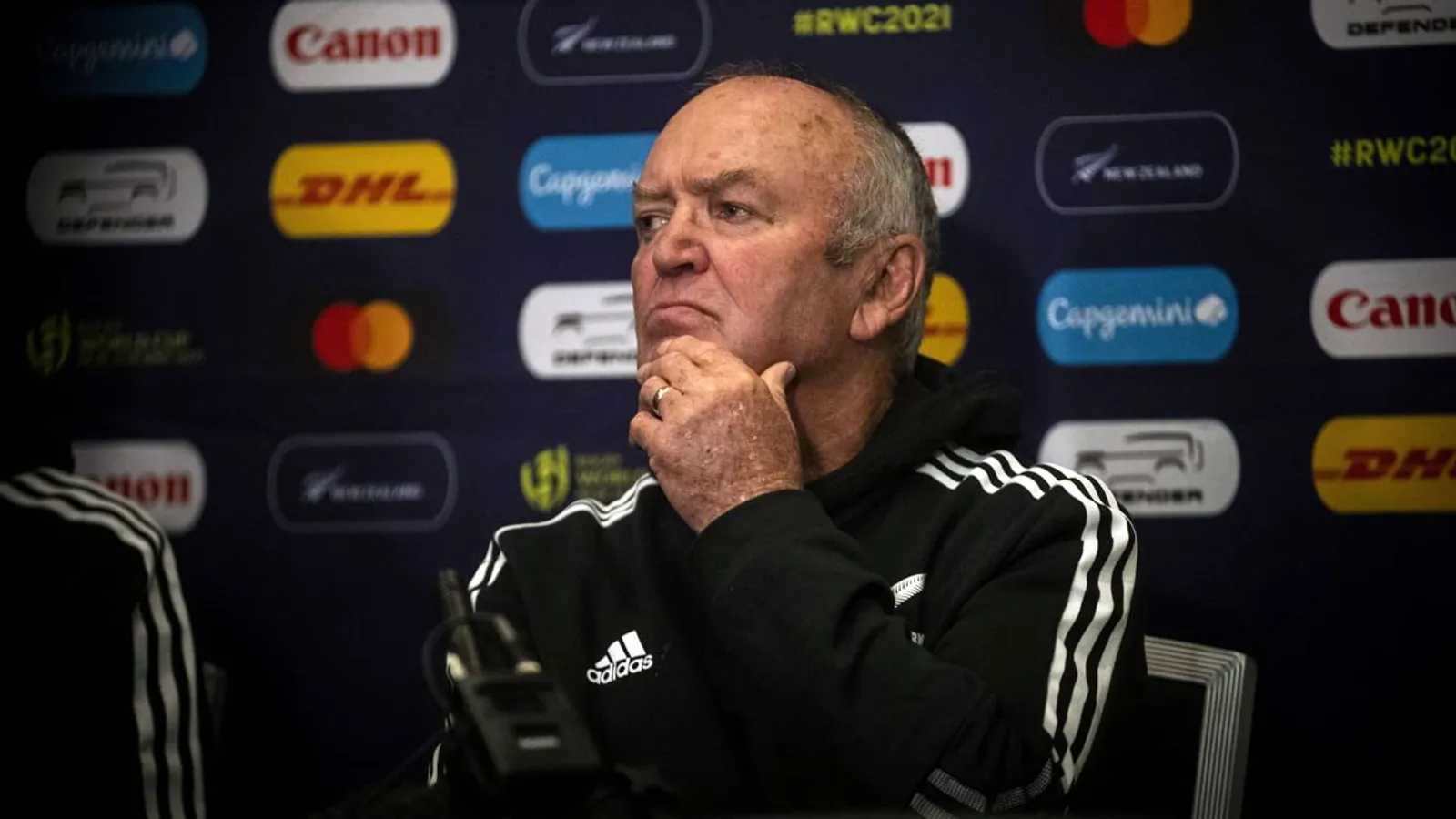
How Do You Influence a Team When You're Not the One in Charge?
Sir Graham Henry, Episode 1, The Shaun O'Neill Podcast
Graham Henry has been involved in more than 140 tests.
Gilbert Enoka has been at it even longer than that.
Both of them are back around the All Blacks now, alongside a new coaching group and a lot of new players.
So I asked him the obvious question. Does it feel familiar. Have you two been here before, and does that mean you can actually help this lot.
He agreed with the first part easily enough.
It was the second part where his answer caught me out.
He does not see it as his job to make anyone listen. His job is to put useful things on the table, and what happens after that belongs to the people running the team. He has more experience than almost anyone alive at this level, and he has deliberately stopped being attached to whether it gets used.
The word that stopped me
"whether they take it on because it's a new group is immaterial"
Immaterial.
That is a big word to use about your own advice when you have won a World Cup and coached at that level for eight years.
Most people in that position want a return. They want to see their idea show up on the field on Saturday, and if it does not, they get quietly filthy about it.
He has taken that expectation off the table completely, and I think that is the reason he is still welcome in the room.
So what does he think the job is
I asked him what his role actually looks like day to day.
"I think that's what your role is is just to um bring up things that may help in this situation and and it's up to them whether they take it on board or not"
Bring things up. Then hand it over.
That is the whole method, and it sounds soft until you try to do it. Most of us can manage the first half. We are very good at bringing things up. It is the second half that catches people, because letting go of the outcome feels like your experience is being wasted.
He is not pretending nothing has changed
This is the bit that makes the rest of it work.
He is not sitting there offering answers from 2011 to problems from today. He said straight out that the game has a lot more moving parts now than it did when he was coaching, and that it has become far more sophisticated.
Then he landed it:
"the game's changed, but uh the basics haven't"
So he is very clear about which part of his experience still travels and which part does not.
The current detail belongs to the people living it. The basics are what he brings. He is not offering to run anything, and everyone in that room knows it.
What I take out of that
There are a lot of people in business carrying experience that nobody is using.
The advisor. The board member. The senior person who came in from outside. Anyone who has been brought in to help with something they do not control.
Almost always the problem is not the quality of what they know.
It is that the experience arrives with strings on it, because they want credit, or they want to be proved right, or they need to see their fingerprints on the result. And people can feel that, so they stop asking.
Graham's version has no strings. He offers the basics, he says his piece, and then it is genuinely none of his business what happens next. That is why a brand new management group keeps him around at 80 rather than treating him like a museum piece.
Give the advice. Drop the receipt.
Book Sir Graham Henry
Sir Graham Henry speaks at corporate events, conferences and leadership days through Essential Talent: https://essentialtalent.co.nz/speakers/sir-graham-henry
He is a strong fit for any audience full of people who have to lead sideways rather than downwards, which these days is most of them. Advisors, boards, incoming executives, anyone whose influence has to be earned rather than assumed.