Mental Health Awareness Week Speakers
Mental Health Awareness Week runs from 12–18 October 2026. The Mental Health Foundation has set this year's theme as Belonging Matters, focused on connection and the rise of loneliness in Aotearoa.
Most workplaces mark the week with a shared lunch and a poster in the kitchen. A speaker is the thing people are still talking about in November.
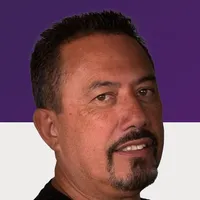
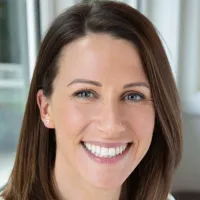
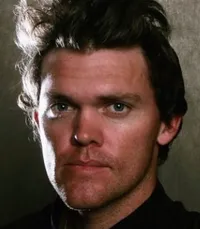
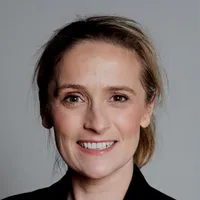
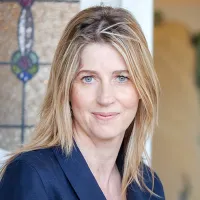
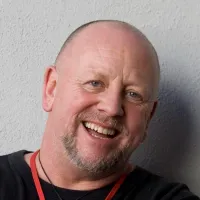
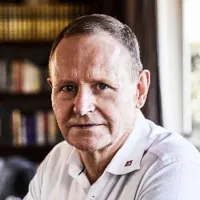
Our roster covers the range organisations book for the week. Mike King has done more to shift the national conversation than any speaker in the country. Sir John Kirwan went public about depression when almost nobody in his position did. Dave Letele reaches rooms most corporate speakers don't. Dr Paul Wood pairs a doctorate in psychology with the story of how he came to earn it.
If you already know the week is what you're planning for, everything below covers how to choose, when to book, and how to run the session well. For the wider category outside the week, see our mental health and wellbeing speakers.
One thing worth knowing early: this is the single busiest week of the year for mental health speakers in New Zealand, and every organisation wants the same seven days. Availability closes well before October.
















Why book a speaker for the week
Awareness weeks have a credibility problem inside organisations. People have seen the posters before, and if last year's effort was a morning tea and an email, this year's will get the same shrug.
A speaker changes that for a straightforward reason: it costs the organisation something visible. Booking someone, putting an hour in everyone's calendar and asking people to stop work signals that leadership means it. That signal does more than the content does.
It also gives the week a fixed point. Everything else — the resources, the manager conversations, the EAP reminder — can be built around a session people actually attended together.
Booking timelines, and why October is different
This category doesn't behave like the rest of the year.
Demand compresses into seven days. Speakers who have open diaries in March are fully committed for that week by August, and the best-known names go first. There is no way around it — a speaker can only be in one place at a time, and every organisation in the country wants the same window.
Practical guidance:
Enquiring in August or early September gives you real choice across the roster
Late September usually still works, but the shortlist narrows to whoever remains
The week itself is generally too late for the well-known names, though we can often still help
If your date is fixed and your speaker isn't, tell us the date first. It's the constraint that decides everything else.
Worth knowing: World Mental Health Day falls on 10 October, two days before the week begins. Some organisations anchor to that instead, which can open availability the following week doesn't have.
Formats that work for the week
A full-staff keynote, 45–60 minutes, is the standard. Works as an all-in session or streamed to multiple sites.
A leadership session aimed at managers is the one most organisations skip and most need. Managers notice something first and are least equipped to respond. A session built for them changes more behaviour than a general talk.
A workshop, 90 minutes to half a day, suits smaller groups where people are expected to take part rather than listen.
Multiple sessions across the week are possible with some speakers and worth asking about — one keynote plus a manager session on a different day often lands better than one big event.
Fees vary across the roster depending on the speaker, the brief and the format. Tell us your budget and we'll work to it.
Before the event: briefing and duty of care
The part most organisations skip, and the difference between a session that helps and one that causes problems.
Brief the speaker properly. If there has been a death, a restructure, a serious incident, or a recent wellbeing survey with hard results, the speaker needs to know before they walk in. Speakers in this category handle it well — but only when they're told.
Make support visible on the day. If you have an EAP, put the number on a slide and say it out loud. Sessions like this reliably prompt people to seek help afterwards. Make that easy.
Think about placement. A confronting keynote immediately before networking drinks leaves people nowhere to put what they're feeling. Mid-morning with a break afterwards works better than the final slot of the day.
Give managers a heads-up. They'll be the ones approached afterwards. A short email beforehand means they aren't caught cold.
We'll walk you through this when you book. It's part of the job, not an extra.